

Artificial Intelligence for Logistics and Operations Management
We apply artificial intelligence to warehousing, production and the supply chain: demand forecasting, stock optimisation and predictive maintenance, integrated with the management software you already use.
- ★ 4.7 · 38 Google reviews
- 25 years of experience
- ISO 9001 / ISO 27001
01 / Risposta rapida
What AI for logistics and operations management means, in brief
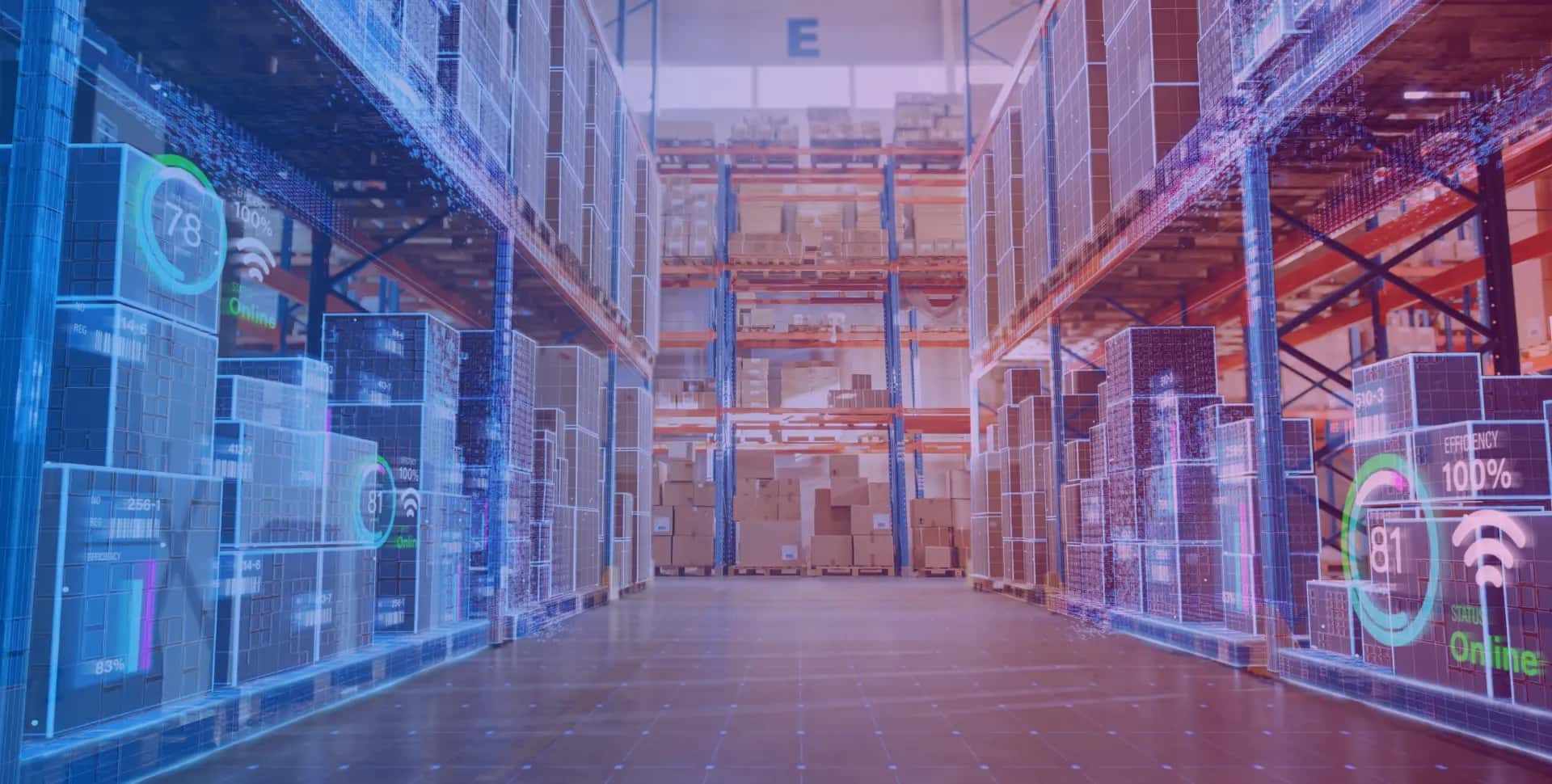
AI models that analyse warehouse, production and distribution data to forecast demand, optimise stock and flag anomalies before they turn into an operational stoppage.
- Demand forecasting based on order history and seasonality
- Picking route optimisation in the warehouse
- Predictive maintenance on production lines and vehicles
02 / Who we work with
AI applied to logistics for businesses with their own warehouse
From small distributors to e-commerce with in-house logistics: we size the project to your company's real processes.
- Manufacturing SMEs
- Distribution companies
- E-commerce with in-house warehousing
- Companies with fleets and vehicles to maintain
03 / Management software or AI
Traditional management software or predictive AI: what changes
They're not alternatives: AI sits alongside your existing management software, adding forecasting where today there's only record-keeping.

Traditional management software
- Records orders, stock and movements that have already happened
- Reorder decisions remain manual
- Anomalies only surface after the fact

Integrated predictive AI
- Forecasts future demand from historical data
- Flags anomalies and risks before an operational stoppage
- Integrates with your existing management software, without replacing it
04 / The benefits
Why integrate AI into logistics with TN Solutions
- 25+ years of System Integrator experience
- 4 main use cases: demand, routes, maintenance, documents
- 100% of data stays under your company's control


05 / Tools and technologies
TN Solutions' AI platform and the systems we integrate
- Hector (TN Solutions' branded AI platform)
- API integrations with ERP systems
- Demand forecasting models
- Document automation
- Cloud and dedicated infrastructure
06 / Partner tecnologici




07 / Approfondimento
A guide to AI for logistics and operations management
- 25+ Years supporting businesses
- 4.7/5 Average rating on Google
- 38 Verified reviews
- ISO 9001/27001 ISO certifications
Artificial intelligence applied to logistics and operations management helps companies forecast demand, optimise warehouse stock and cut dead time in the supply chain, integrating with the management software already in use instead of replacing it. TN Solutions designs these projects as a System Integrator, starting from the data the company already produces every day — orders, warehouse movements, deliveries — rather than imposing a standalone platform.
What AI applied to logistics and operations management means
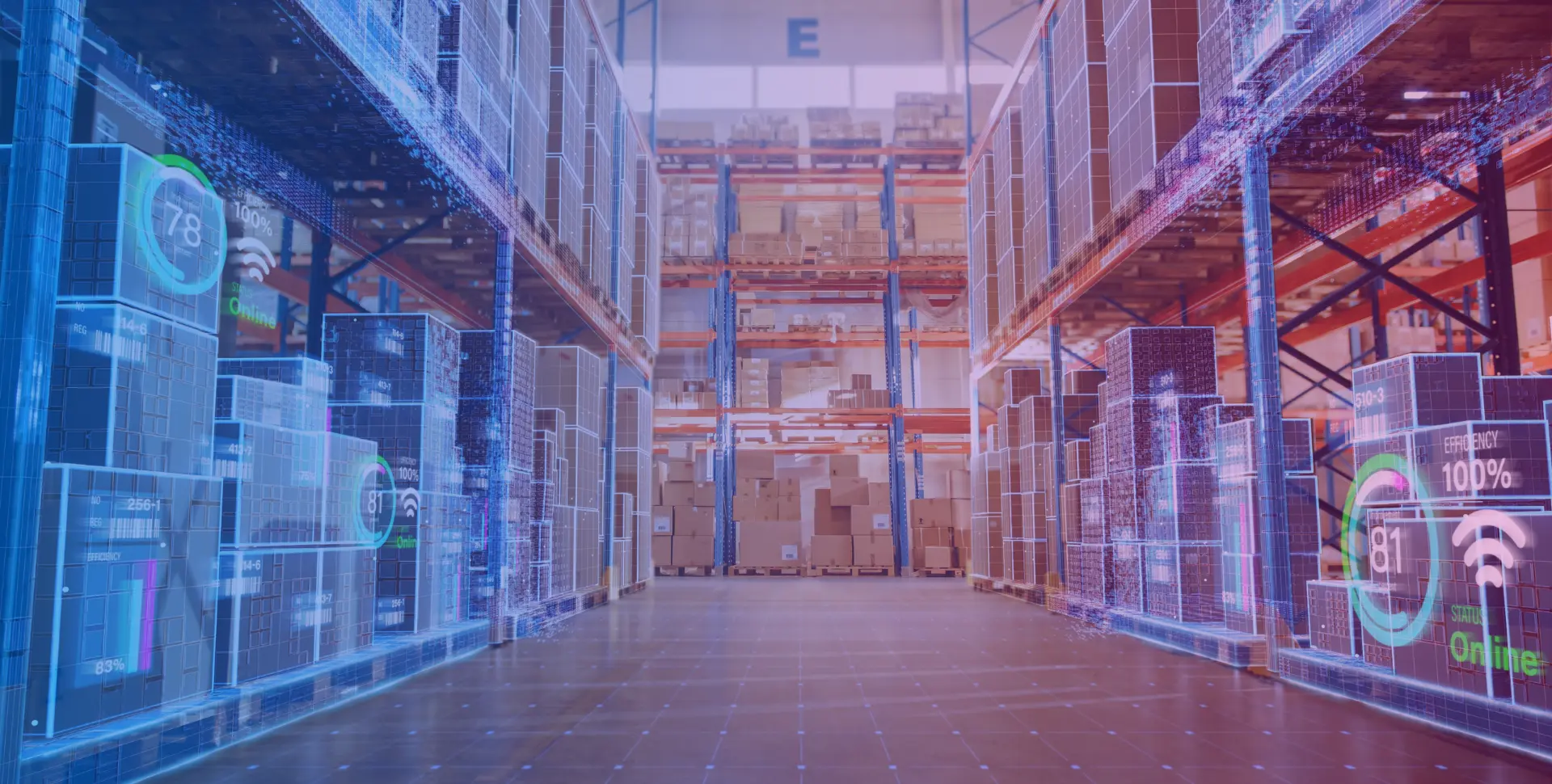
It means using machine learning models to analyse historical and operational data from warehousing, production and distribution, turning it into forecasts and operational decisions: how much stock to hold, when to reorder, which picking routes to optimise. Unlike a traditional management system, which records what has already happened, a system with AI components anticipates the most likely scenarios and flags anomalies before they become a problem.
Concrete use cases: from the warehouse to production
- Demand forecasting: analysing order history and seasonality to size purchases correctly and avoid both stockouts and capital tied up in inventory.
- Picking route optimisation: cutting picking times by cross-referencing the warehouse's physical layout with the actual frequency of orders.
- Predictive maintenance: analysing production and vehicle data to flag a likely failure before a machine stops, a topic directly linked to the operational continuity of your IT infrastructure.
- Document automation: automatic recognition and reconciliation of transport documents, delivery notes and supplier invoices, cutting repetitive manual back-office work.
Integration with your existing management software, no forced replacements
The most common concern when it comes to AI in logistics is having to replace the management software already in use. That's not our approach: the Hector AI platform, developed by TN Solutions, sits alongside existing systems, reads data where it already lives, and delivers forecasts and alerts inside the workflows that the warehouse and purchasing office already use every day. Data stays under the company's control, with the same security framework and the ISO 9001 and ISO 27001 certifications we apply to every project.
Who this is for
This service is designed for manufacturing SMEs, distribution companies and any business with its own warehouse (including e-commerce with in-house logistics) that wants to reduce tied-up stock and order-management times without overhauling established processes.
Frequently asked questions
Do we need to replace our current management software to use AI in logistics?
No. In most projects, AI integrates with the existing management software through connectors or APIs, reading the data already present without requiring a full system migration.
How much data is needed to start an AI logistics project?
A minimum history is needed (typically 12–18 months of orders/movements) to train reliable forecasts. During the analysis phase we check together which data is already available and what needs to be structured before starting.
Is AI applied to logistics accessible to SMEs, or only large companies?
Yes. Projects are sized to fit the client's reality: you can start with a single high-impact use case (e.g. demand forecasting for one product category) before extending the project to other processes.
How long does it take to see concrete results?
After the initial analysis, a first pilot use case is typically measurable within a few months of data collection and model refinement, with periodic reviews shared with the client.
Other AI services
Take a look at our other related AI services: custom AI solutions for businesses, AI for finance and administration, AI for real estate.
Want to cut tied-up stock with predictive AI?
We'll assess your warehouse and production processes for free and propose a concrete, measurable first use case.
08 / Talk to an expert
Talk to an AI expert for logistics
Tell us about your warehouse processes, we'll call you back within one business day.
Describe how you currently manage stock and orders: one of our engineers will assess where artificial intelligence can genuinely cut costs, with no obligation.