
Operating Lease & Business Security
Discover how IT operating lease can strengthen business security and optimize costs, with flexible solutions for hardware, software and more.
In this article
IT operating lease has become an increasingly common practice for companies looking to optimize their resources, improve security and cut costs. With the evolving technology landscape and the growing need for flexible solutions, operating lease offers a compelling alternative to buying hardware and software outright.
This strategy allows companies to access cutting-edge technology without the upfront financial burden and the complications of ongoing management and maintenance. In this article we take a close look at IT operating lease: the types available, the concrete benefits for corporate security, indicative costs and best practices for choosing the right provider.
In today's environment, where data security and information protection are top priorities, IT operating lease stands out as an effective solution. Companies can achieve stronger security by investing in modern technology and keeping their systems consistently up to date, instead of continuing to run obsolete hardware just because it has already been depreciated. The IT operating lease market keeps expanding, driven by companies' need to renew their infrastructure quickly without tying up capital: an approach that keeps technology current and makes it easier to manage cybersecurity and compliance risk.
This article aims to provide a complete guide to IT operating lease, covering the different types available, the pros and cons, costs, technical specifications and best practices. We will also present real-world scenarios that show how operating lease can improve corporate security and streamline day-to-day operations. We'll close with a FAQ section to clear up any doubts and provide further useful information.
All the Types of IT Operating Lease: A Complete Guide
Hardware Operating Lease
Hardware operating lease is one of the most common forms of IT leasing. This model allows companies to access devices such as servers, computers, printers and network equipment without buying them outright. Businesses pay a monthly fee that covers usage and, often, maintenance and support as well. Lease contracts can range from 12 to 60 months, depending on the company's specific needs.
Detailed Technical Specifications
Hardware operating lease can cover a wide range of models and brands, depending on business needs. For example, an enterprise-class server may have specifications such as:
Processor: Intel Xeon or AMD EPYC, up to 32 cores
RAM: Up to 2 TB
Storage: NVMe SSD up to 10 TB or HDD up to 50 TB
Price Range
Rental costs for enterprise hardware can vary significantly. For example, a high-end server can cost between €300 and €1,500 per month, depending on the specifications and support options requested.
Software Leasing
Software leasing allows companies to use applications and operating systems without paying the full cost upfront. This model is particularly useful for complex software solutions such as ERP (Enterprise Resource Planning) or CRM (Customer Relationship Management) systems, where costs can be substantial. Companies can pay a monthly or annual fee that also covers updates and technical support.
Detailed Technical Specifications
Software leasing often also includes support for integration with other systems. For example, ERP software may offer:
Customizable modules: for sales, accounting and HR management.
Remote access: allowing employees to work from anywhere.
API integration: to facilitate communication between different software systems.
Price Range
Software leasing costs vary based on complexity and features. For example, renting ERP software can cost between €200 and €1,000 per month, depending on the features and number of users.
Operating Lease for IT Security Devices
As cyber threats increase, many companies are opting to lease IT security devices such as firewalls, intrusion prevention systems (IPS) and endpoint security solutions. This not only helps keep the network secure, but also makes it easier to stay current with the latest technologies and security patches.
Detailed Technical Specifications
Security devices may include:
Firewall: with throughput capacity up to 10 Gbps and support for VPN and content filtering.
IPS: with real-time threat detection and traffic analysis capabilities.
Price Range
Costs for leasing IT security devices can range from €150 to €800 per month, depending on the features and scale of the deployment.
| Type | Key Features | Price Range (€) | Ideal For |
|---|---|---|---|
| Hardware Lease | Servers, PCs, network devices | €300-1,500 | Companies of all sizes |
| Software Lease | ERP, CRM, specialized applications | €200-1,000 | Businesses needing tailored solutions |
| IT Security Lease | Firewalls, IPS, endpoint security | €150-800 | Companies with high security requirements |
The Benefits of IT Operating Lease for Corporate Security
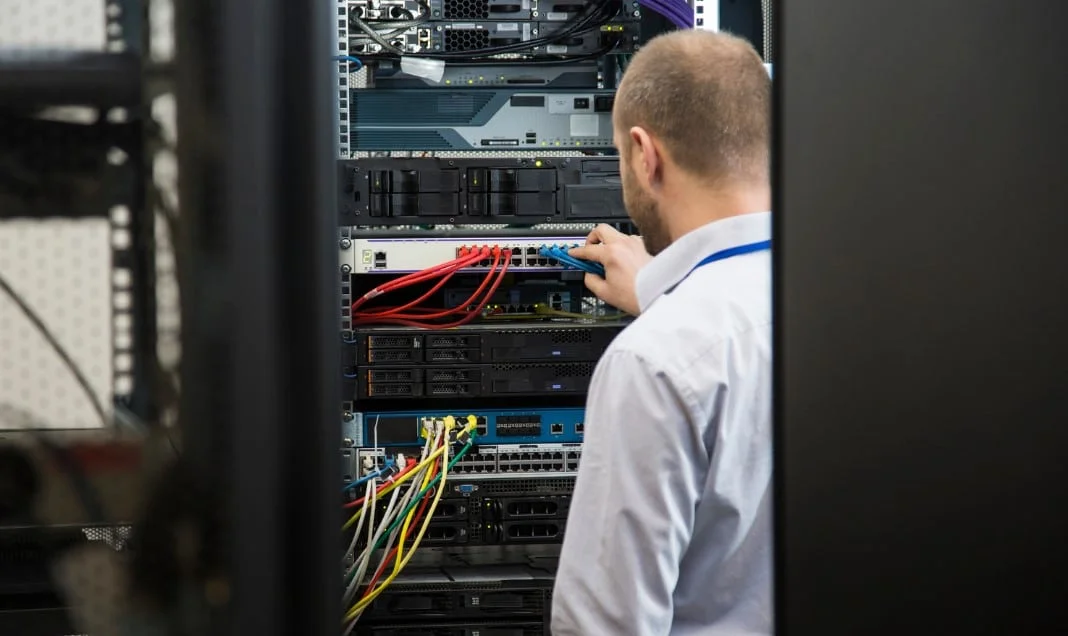
Adopting IT operating lease can bring numerous benefits in terms of corporate security. Here are some of the main advantages:
Access to Advanced Technology: By leasing modern equipment, companies can benefit from the latest technological innovations, strengthening their ability to defend against cyber threats.
Constant Updates: Lease contracts generally include regular updates, ensuring systems stay protected against the most recent attacks.
Predictable Costs: With leasing, companies have fixed monthly costs, which makes financial planning easier and reduces the risk of unexpected expenses related to repairs or replacements.
Costs and Budgeting for IT Operating Lease
It is essential to consider the costs associated with IT operating lease. These can vary considerably depending on the technical specifications and services included. Companies need to evaluate not only the monthly price, but also any additional costs, such as support and maintenance. In general, budgeting for IT operating lease should include:
Monthly Fees: Fixed costs for leasing hardware and software.
Maintenance Costs: Expenses for any repairs or replacements.
Training: Investment in staff training to make effective use of new technologies.
Comparing IT Operating Lease and Direct Purchase
One of the most common questions concerns the comparison between IT operating lease and direct purchase. Both options have advantages and disadvantages. Below, we analyze some key aspects to help companies make informed decisions.
| Aspect | IT Operating Lease | Direct Purchase |
|---|---|---|
| Upfront Costs | Low (monthly fees) | High (full cost upfront) |
| Technology Updates | Included in the contract | Requires additional investment |
| Flexibility | High, can adapt to changing needs | Low, tied to owned assets |
Best Practices for IT Operating Lease
To maximize the benefits of IT operating lease, it is essential to follow a few best practices:
Needs Assessment: Before choosing a provider, companies should evaluate their specific hardware, software and security requirements.
Clear Contracts: Read lease agreements carefully to understand costs, terms and included services.
Performance Monitoring: Track the effectiveness of the leased solutions to ensure they meet business expectations.
Practical tip: before finalizing a lease agreement, always request a trial period or a demo of the systems to assess whether they truly fit your company's needs.
Conclusion
In conclusion, IT operating lease represents a strategic solution for companies that want to improve their security, optimize costs and stay competitive in the market. By accessing advanced technology and ongoing support, businesses can tackle cybersecurity challenges with greater confidence and effectiveness. It is essential to carefully evaluate the different leasing options, taking into account specific business needs and contract terms.
We encourage companies to further explore the resources available and seriously consider adopting IT operating lease as part of their technology strategy. With the right planning and the right providers, IT operating lease can become a powerful ally in managing security and optimizing resources.
Frequently asked questions
What is IT operating lease?
IT operating lease is a way of acquiring hardware and software in which the company pays a monthly fee to use the equipment, without buying it directly. This solution provides access to up-to-date technology and reduces upfront investment costs.
What are the main benefits of IT operating lease?
The main benefits of IT operating lease include access to advanced technology, predictable costs, regular updates and greater flexibility in managing resources. It also reduces maintenance and support costs, since these are often included in the lease contract.
How does IT operating lease compare to direct purchase?
IT operating lease offers lower upfront costs and access to constantly updated technology, while direct purchase requires a higher immediate investment. However, purchasing may be more cost-effective in the long run for companies that don't need frequent updates.
What costs are associated with IT operating lease?
Costs associated with IT operating lease can vary depending on several factors, including the type of hardware or software, the contract length and the services included. In general, costs can range from €150 to €1,500 per month, depending on the specific requirements.
Is IT operating lease suitable for all businesses?
IT operating lease is suitable for companies of all sizes, but it is especially advantageous for those that need frequent updates and flexibility in managing resources. Small and medium-sized businesses can benefit from lower upfront commitment and predictable costs.
How do I choose the right IT operating lease provider?
To choose the right provider, it's important to evaluate the company's reputation, the services offered, the costs and the contract terms. Also check reviews and ask for references from other companies that have used their services.
What are the main security considerations in IT operating lease?
Key security considerations include data protection, provider reliability and regulatory compliance. It is essential to make sure the leased devices and software offer adequate security measures and that the provider has clear policies for handling sensitive data.
Technology partners
Want to discuss it with our team?
We analyse your infrastructure for free and propose the most suitable solution.