

Network Equipment Rental
Why renting routers, switches and network gear pays off for SMEs: predictable costs, up-to-date technology and technical support included.
In this article
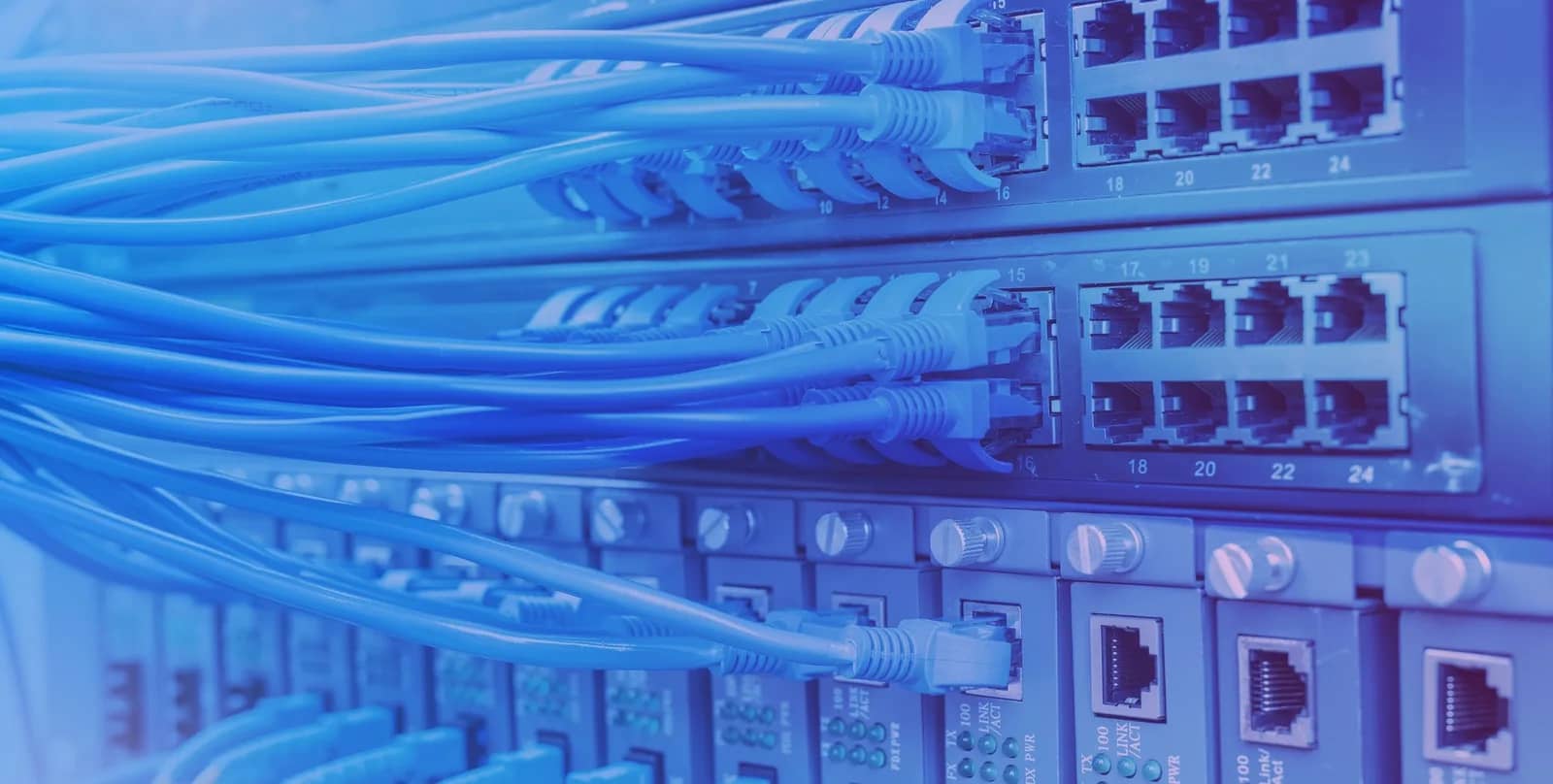
Routers, switches, access points and firewalls are the invisible infrastructure that everything else in a business runs on — but they're also equipment that gets outdated quickly and can represent a significant investment if purchased outright. Network equipment rental is the route a growing number of SMEs are taking to get reliable infrastructure without tying up capital in hardware that ages fast.
Upfront cost isn't the only reason
Business-grade routers, managed switches and network security appliances can carry a significant purchase cost, especially for infrastructure spanning multiple sites or with redundancy requirements. Renting IT equipment turns that outlay into a predictable monthly fee — but the more concrete benefit over time is not having to manage, on your own, the technological obsolescence of devices that change generation every few years.
Up-to-date technology, without the obsolescence risk
Business networks need periodic upgrades to stay performant and secure: new Wi-Fi standards, switches with higher throughput and smarter traffic management, firewalls with increasingly sophisticated security features. With rental, the upgrade is part of the contract instead of a new investment you have to justify in the budget every time.
Technical support included: less downtime when something goes wrong
A network problem — a router that fails, a switch that slows down traffic — has a direct and immediate impact on business operations. Many network equipment rental contracts include technical support and rapid replacement in case of failure, cutting downtime compared to managing a purchased equipment fleet on your own.
Simpler cost planning
With rental, network costs become a predictable monthly budget line, instead of a series of unplanned expenses tied to failures, replacements or the need to expand the network. For an SME, this translates into simpler financial planning, without having to set aside reserves for unexpected interventions on the network infrastructure.
Scalability when the network needs to grow
Opening a new site, adding more workstations, rolling out IoT devices in production: these are all scenarios where a business network needs to grow quickly. With rented equipment, expanding the network means adding devices to the existing contract, not planning a brand-new hardware investment from scratch — a direct advantage over a purchased network fleet already sized for the past.
The same logic of flexibility and predictable costs applies to a company's entire IT estate, not just the network: you can explore the general comparison between renting and buying or, if your network infrastructure also needs a broader assessment, talk to our consultants for a tailored solution.
Frequently asked questions
What network equipment can be rented?
Routers, managed switches, Wi-Fi access points, firewalls and, more generally, most of the devices that make up a business network infrastructure. The exact range depends on the provider, but it typically covers every need an SME might have.
Does network rental include installation and initial configuration?
In most cases yes, but it's worth checking explicitly in the contract: some providers include installation and configuration in the monthly fee, others bill them as a separate service.
What happens if a rented network device fails?
A good rental contract includes rapid replacement of the failed device, often with guaranteed response times, precisely because a network issue has an immediate impact on business operations. It's one of the most important things to check before choosing a provider.
Is it worth renting network equipment even for a single-site business?
Yes: the main benefit — avoiding technological obsolescence and having predictable costs — doesn't depend on the number of sites. It's especially useful for companies that expect to grow their network infrastructure in the coming years.
Can a rented network be expanded if the company grows?
Yes, that's one of the key advantages over buying: adding devices to an existing rental contract is generally faster and less burdensome than planning a new hardware investment for a network expansion.
Is network rental as tax-advantageous as PC and server rental?
The principle is the same: the rental fee is generally treated as an operating cost, fully deductible in the year it's incurred, while a purchase has to be depreciated over several years. Specific conditions should always be checked with your accountant.
Technology partners


Want to discuss it with our team?
We analyse your infrastructure for free and propose the most suitable solution.