

Professional Cybersecurity for SMEs
Professional cybersecurity for SMEs: how backups, monitoring, security audits and staff training stop ransomware and keep your business running.
In this article
- Introduction
- Who is at Risk? Cybersecurity Concerns for Everyone
- Why Protecting Business Data is Crucial
- The Ransomware Threat
- When to Act? Prevention is Better Than Cure
- Preventive Solutions
- Where Are the Weak Spots? Analyzing Vulnerabilities
- The Role of Security Audits
- How to Protect Business Data?
- Conclusion
Introduction
Imagine arriving at your office to find your critical business data compromised by a cyberattack. Unfortunately, this is not just a nightmare scenario—it’s a daily reality for thousands of companies worldwide. Beyond financial loss, such attacks damage customer trust, disrupt business operations, and threaten an organization’s very survival.
Having a robust cybersecurity strategy is no longer optional for a business that depends on its own systems to operate — it's a basic requirement. This guide walks through the real risks businesses face and the measures that actually reduce them.
Who is at Risk? Cybersecurity Concerns for Everyone
The cases below are real; client names are withheld for confidentiality.
SMEs: A Vulnerable Target
Small and medium-sized enterprises (SMEs) often underestimate the risk of cyberattacks, assuming they're not attractive targets. That assumption tends to backfire: attackers know that SMEs typically lack the in-house resources or expertise to properly secure their systems, which makes them easier targets than a larger business with a dedicated IT department.
The most common case we see with clients isn't a sophisticated targeted attack — it's an opportunistic one: ransomware exploiting a known, unpatched flaw, or a weak password, to lock down company data. Without a verified backup kept separate from the main network, downtime is measured in days or weeks, not hours.
Real case: a travel SME fell victim to ransomware that locked access to its customer database. Without secure backups, the company had to halt operations for weeks, with significant financial loss and reputational damage — exactly the opportunistic scenario described above.
Large Enterprises: High-Value Prizes for Hackers
Even large organizations with advanced systems aren't immune. Hackers see them as high-value targets, worth the extra effort of a more sophisticated, targeted attack — often preceded by weeks of quiet reconnaissance of the network before the actual breach.
Real case: in 2021, a cyberattack hit a major food distribution company, disrupting its entire supply chain and causing losses in the millions — a concrete example of how the reconnaissance described above turns into real operational impact.
Why Protecting Business Data is Crucial
Consequences of a Cyberattack:
Direct Financial Loss: Costs include ransomware payments, system recovery, and operational downtime.
Reputation Damage: Breaches erode customer trust and can result in client attrition.
Legal Implications: Non-compliance with regulations like GDPR can lead to hefty fines and lawsuits.
The Ransomware Threat
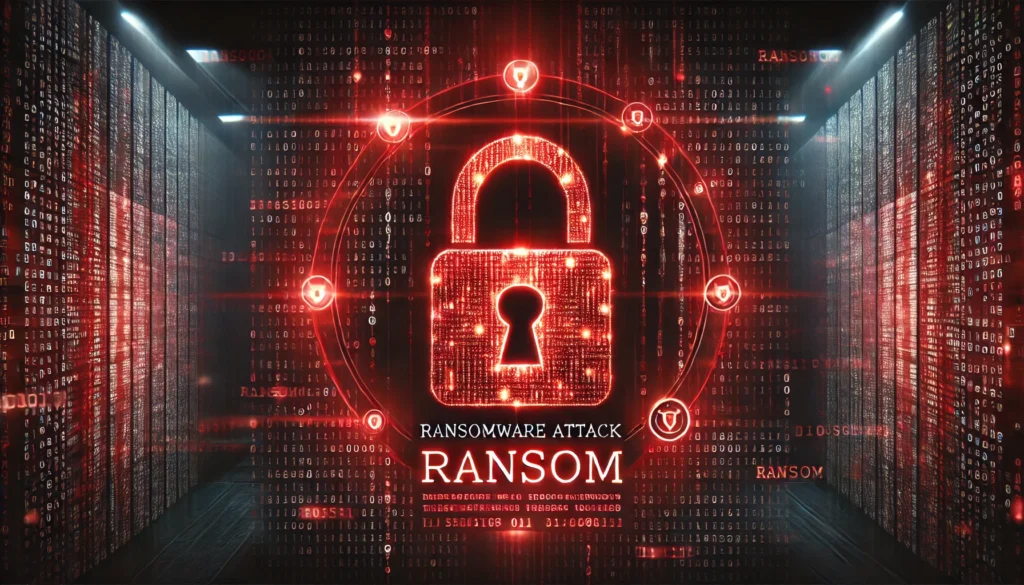
Ransomware, which locks access to company data until a ransom is paid, poses a significant risk. Paying the ransom is risky as it doesn’t guarantee data recovery and often leads to repeated attacks.
Paying doesn't fix the problem it appears to solve: it removes the symptom (locked data) without removing the cause (the flaw that let the attacker in). If that flaw stays open, the same access point is often still there for a second attack, as security researchers have documented repeatedly.
Real case: a manufacturing firm that paid a €50,000 ransom to recover its data was attacked again a few months later: the attackers had kept the same foothold in the company's systems and used it for a second attack.
When to Act? Prevention is Better Than Cure
The Importance of Prevention
The best time to act is now. Delaying a cybersecurity strategy increases the risk of attacks. Prevention is cost-effective, saving time and money in the long run.
Preventive Solutions
Regular Backups: Store secure backups in multiple locations, including encrypted cloud storage.
Real-Time Monitoring: Use tools to detect suspicious activities and respond promptly.
Multi-Factor Authentication (MFA): Strengthen account security with multiple authentication layers.
Where Are the Weak Spots? Analyzing Vulnerabilities
Common Weak Points:
Cloud Configurations: Improperly configured cloud services are primary targets.
Outdated Systems: Legacy software often lacks critical security updates.
Mobile Devices: Remote work introduces vulnerabilities through personal devices.
The Role of Security Audits
Regular audits help identify and fixvulnerabilities, ensuring your systems remain secure.
How to Protect Business Data?
Integrated Cybersecurity Approach
Advanced Firewalls: Set up custom rules to block suspicious traffic.
Up-to-Date Antivirus Software: Detect and neutralize emerging threats.
Data Encryption: Ensure sensitive data is accessible only to authorized personnel.
Employee Training: Educate staff about phishing and other common threats.
Secure Backups: Keep reliable backups for quick recovery after incidents.
Why the Integrated Approach Works
None of these measures work well in isolation: an up-to-date firewall doesn't help if an employee clicks a phishing link, and staff training isn't enough if backups are never tested. It's the combination — a protected perimeter, encrypted data, trained staff, and verified backups — that makes the difference when an attack actually happens, letting a business block the intrusion and restore operations instead of rebuilding from nothing.
A Real Case
A pharmaceutical company had implemented exactly this combination — firewalls, encryption, and ongoing staff training. When it was targeted, it was able to block the intrusion and quickly restore operations using its encrypted backups.
Conclusion
Proactive cybersecurity is no longer optional; it’s a must for every modern business. Start today by building a solid system to protect your data, customers, and future.
Don’t wait until it’s too late. Invest in cybersecurity now to secure your business tomorrow.
Frequently asked questions
What is ransomware, and how can I protect my business?
Ransomware is malware that locks access to your data until a ransom is paid. Protection includes secure backups, regular updates, and robust antivirus software.
Are firewalls still effective in 2024?
Yes. Modern firewalls are critical for protecting networks by blocking unauthorized traffic and reducing intrusion risks.
What are the benefits of data encryption?
Encryption ensures sensitive data remains secure, even during transfer or in the event of unauthorized access.
Why is employee training crucial for cybersecurity?
Human error is a leading cause of breaches. Training helps employees identify phishing attempts and adopt safe online practices.
How much does implementing a cybersecurity strategy cost?
Costs vary by company size and complexity, but prevention is always more affordable than recovery after an attack.
Technology partners




Want to discuss it with our team?
We analyse your infrastructure for free and propose the most suitable solution.