

Corporate Cybersecurity
Discover how to strengthen corporate cybersecurity with firewalls, intrusion detection and staff training to protect your business data effectively.
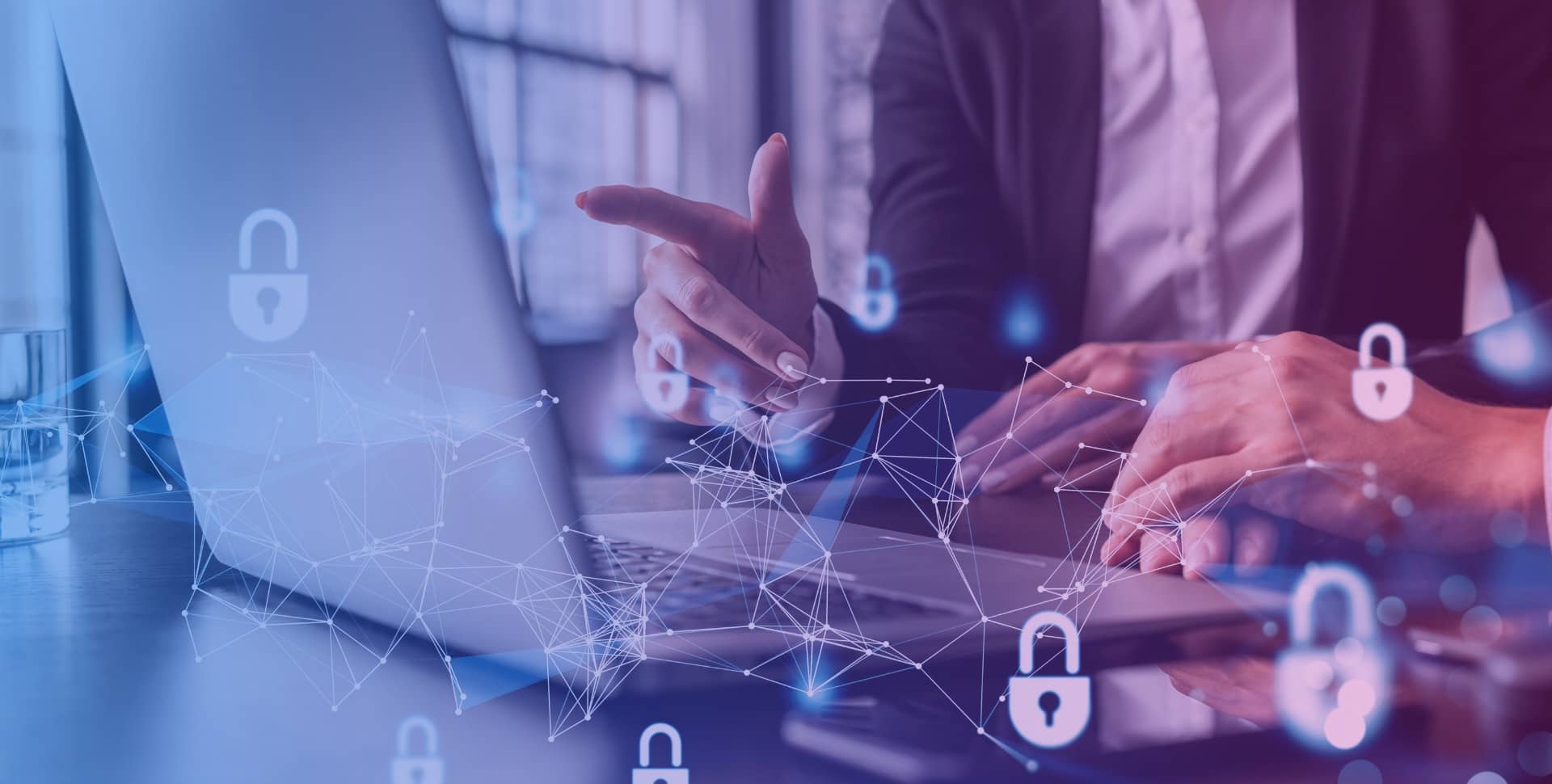
Corporate cybersecurity has become a critical topic in today's digital landscape. With cyberattacks and data breaches on the rise, businesses of every size face increasingly complex challenges. Protecting company information is not just a compliance issue: it is essential to safeguard reputation and business continuity. Adopting effective IT security measures is essential to avoid financial damage and loss of customer trust.
In recent years, networking and security technologies have evolved considerably, offering advanced tools to defend against cyber threats. Companies can now rely on solutions such as Firewalls, intrusion detection systems (IDS) and security protocols to keep their operating environment safe. Every business needs to understand which tools and strategies best fit its own needs.
The Basics of Corporate Cybersecurity
The Importance of IT Security
IT security covers all the measures adopted to protect a company's networks, devices and data. Cybersecurity Ventures, a widely cited industry research firm, has projected that global damages caused by cybercrime could reach $10.5 trillion annually by 2025 — a figure worth reading as a directional estimate rather than a precise forecast, since predictions at that scale are inherently uncertain. Companies need to invest in security solutions to prevent such losses. Some of the most common attacks include malware, phishing and ransomware, which can severely compromise business operations.
Types of Threats and Solutions
Cyber threats can be classified into several categories, including external attacks, internal attacks and accidental incidents. To counter these threats, it is essential to implement security measures such as Firewalls, which filter incoming and outgoing traffic, and intrusion detection systems (IDS), which monitor network activity and flag suspicious behavior. Combining these technologies can significantly reduce the risk of attacks.
Implementing Firewalls and IDS
What Is a Firewall and How Does It Work
A Firewall is a network component that controls incoming and outgoing data traffic between a private network and the outside world. It can be hardware or software, and its main function is to block unauthorized access. There are several types of firewalls, including stateful firewalls, which monitor active connections, and proxy firewalls, which filter data at the application level, providing more complete protection.
The Benefits of an IDS
Intrusion detection systems (IDS) are designed to identify suspicious activity within a network. An IDS can be host-based (HIDS) or network-based (NIDS). A HIDS monitors activity on a single device, while a NIDS analyzes network traffic. Implementing an IDS allows companies to respond quickly to potential threats and mitigate damage before it occurs.
Best Practices for Corporate Cybersecurity
Staff Training
One of the most effective measures for improving corporate cybersecurity is staff training. Cyberattacks often exploit human error. This is why it is essential to educate employees on topics such as phishing, safe password practices and the importance of reporting suspicious behavior. Regular training programs can significantly reduce the risk of cyberattacks.
System Updates and Maintenance
It is essential to keep all systems and applications up to date to protect against known vulnerabilities. Software updates often include security patches that fix flaws and vulnerabilities. Companies should implement a regular maintenance plan to ensure that all security solutions, including Firewalls and IDS, remain updated and fully functional.
In conclusion, corporate cybersecurity is a fundamental aspect of data protection and business continuity. Investing in solutions such as Firewalls, IDS and staff training is not just a necessity, but a strategic step toward a safer future. If you'd like to explore the topic further and discover how to protect your business, contact us for a personalized assessment of your security needs.
Frequently asked questions
What are the main risks to corporate cybersecurity?
The main risks to corporate cybersecurity include malware, phishing attacks, ransomware and data breaches. These threats can compromise the confidentiality of information and cause significant financial damage. Adopting preventive measures, such as firewalls and IDS systems, is essential to mitigate these risks.
How can I assess my company's security?
To assess your company's IT security, it is advisable to carry out a security audit, which includes reviewing security policies, analyzing vulnerabilities and evaluating the protection measures currently in place. Vulnerability scanning tools can help you identify weaknesses in your systems that need attention.
What role does training play in improving cybersecurity?
Staff training is crucial for improving corporate cybersecurity. Most cyberattacks exploit human error, such as clicking on malicious links or using weak passwords. Educating employees to recognize threats and adopt safe behaviors significantly reduces the risk of security incidents.
What tools can I use to improve cybersecurity?
To improve IT security, companies can use a combination of tools, including Firewalls, intrusion detection systems (IDS), antivirus software and vulnerability management software. Each tool plays a specific role in protecting company data and networks, and it is important to choose the ones best suited to your company's specific needs.
What is the difference between a hardware and a software firewall?
A hardware Firewall is a physical device installed between the company network and the Internet service provider, while a software firewall is an application installed on a computer or server. Hardware firewalls tend to offer more robust protection and handle large volumes of traffic, while software firewalls are more flexible and can be customized for each device.
How can I keep my security systems up to date?
To keep security systems up to date, it is essential to implement a patch management plan that includes regular checks to identify and install software and firmware updates. Companies should also set up update notifications and monitor vendors' official sources for the latest security patches.
Technology partners





Want to discuss it with our team?
We analyse your infrastructure for free and propose the most suitable solution.